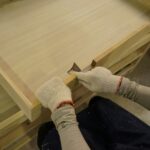
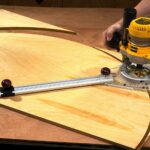
Woodworking is a deeply rewarding craft that allows individuals to express their creativity and produce functional, beautiful pieces. However, the idea of pursuing woodworking in an apartment, where space is often limited, may seem like a challenging endeavor. The noise, dust, and sheer size of woodworking tools can be daunting for those living in close quarters. In this article, we will explore the possibilities and considerations of woodworking in an apartment, offering practical tips and creative solutions for enthusiasts who want to engage in this fulfilling craft without compromising their living space.
Section 1: Evaluating the Space and Environment
Understanding the Limitations:
The first step in establishing a woodworking space in an apartment is to understand the limitations. Assess the available space, noise regulations, and the potential impact on neighbors. While woodworking in an apartment may not allow for extensive machinery and large workbenches, creative solutions can help overcome these constraints.
Noise and Time Considerations:
Apartments often come with noise restrictions, particularly during certain hours. Consider the noise level of your woodworking activities and plan your working hours accordingly. Choosing hand tools over power tools for certain tasks can significantly reduce noise, making woodworking more apartment-friendly.
Click the link to get access to Earth’s Largest Database of Woodworking Resource!
Section 2: Essential Tools for Apartment Woodworking
Compact Hand Tools:
Investing in compact hand tools is key to successful apartment woodworking. Hand saws, chisels, hand planes, and other handheld tools offer precision and versatility without the need for extensive space. Look for ergonomic designs and high-quality materials to ensure efficiency in your work.
Folding Workbenches:
Opt for a folding or collapsible workbench that can be easily stored when not in use. These benches provide a stable surface for various woodworking tasks and can be conveniently tucked away in a closet or under a bed. Some designs even incorporate storage for tools, maximizing functionality in a compact space.
Portable Power Tools:
For tasks that require power tools, consider portable and compact options. Cordless drills, jigsaws, and compact routers are examples of power tools that offer flexibility and can be easily stored in small spaces. Additionally, these tools are often designed with noise reduction features, making them suitable for apartment use.
Section 3: Setting Up a Workstation
Designate a Specific Area:
Even in a limited space, it’s essential to designate a specific area for your woodworking activities. This could be a corner of a room, a balcony, or even a dedicated closet with proper ventilation. Having a designated space helps create a sense of organization and separates your woodworking activities from the rest of your living area.
Protective Measures:
Implement protective measures to minimize the impact of woodworking on your apartment. Use drop cloths or protective mats to catch dust and debris. Consider setting up a temporary barrier, such as a curtain or room divider, to contain the workspace and prevent dust from spreading to other areas.
Ventilation and Dust Collection:
Proper ventilation is crucial when woodworking in an apartment. Use fans or open windows to ensure good airflow. Consider investing in a small, portable dust collector or a shop vacuum with a dust collection attachment to keep dust to a minimum. Regular cleaning and maintenance will help prevent the buildup of woodworking debris in your living space.
Click the link to get your woodworking plans Suitable For Beginners & Pros!
Section 4: Noise Reduction Strategies
Select Quiet Tools:
When choosing tools, prioritize those with lower noise levels. Some manufacturers design tools specifically for reduced noise output. Look for tools labeled as “quiet” or with noise reduction features to ensure a more apartment-friendly woodworking experience.
Soundproofing Techniques:
Implementing soundproofing techniques in your apartment can help mitigate noise disturbances for both you and your neighbors. Use heavy curtains, rugs, or acoustic panels to absorb sound. If possible, place furniture or bookshelves against walls to act as sound barriers.
Considerate Working Hours:
Respect your neighbors by working during reasonable hours. Avoid late evenings or early mornings when noise disturbances may be more disruptive. Communicate with neighbors about your woodworking activities, and be open to adjusting your schedule based on their preferences.
Click the link to get your drop-dead 16.000 simple woodworking plans!
Section 5: Storage Solutions for Limited Space
Vertical Storage:
Make the most of vertical space by utilizing wall-mounted shelves, pegboards, or cabinets to store tools and materials. Vertical storage not only maximizes space efficiency but also keeps essential items within easy reach.
Mobile Storage Solutions:
Opt for storage solutions on wheels or casters. Mobile tool carts or storage units can be easily moved around the apartment as needed. This flexibility allows you to adapt your workspace to different projects or store tools out of sight when not in use.
Multi-Functional Furniture:
Choose furniture that serves dual purposes to optimize your limited space. For example, a coffee table with storage compartments can double as a project assembly area. Look for innovative furniture designs that integrate storage to keep your woodworking tools organized.
Section 6: Community and Shared Spaces
Community Workshops:
Explore the possibility of joining a community workshop or a makerspace. These shared spaces provide access to a wide range of tools and equipment that may be impractical to have in an apartment. Additionally, they offer a sense of community and the opportunity to learn from other woodworking enthusiasts.
Collaborate with Neighbors:
If your apartment complex has communal areas or shared spaces, consider collaborating with neighbors who share an interest in woodworking. Pooling resources and sharing tools can be a cost-effective and space-saving solution for everyone involved.
Woodworking in an apartment is not only possible but can be a fulfilling and enjoyable experience with careful planning and consideration. By understanding the limitations, investing in essential tools, setting up a compact workstation, implementing noise reduction strategies, optimizing storage solutions, and exploring community and shared spaces, you can pursue your passion for woodworking without compromising your living space.
Remember, creativity often thrives in constraints. Embrace the challenge of apartment woodworking, adapt your techniques to the available space, and enjoy the satisfaction of crafting beautiful pieces right from the comfort of your own home.
Click the link to get your woodworking plans Suitable For Beginners & Pros!